Buying in The Vintage is not like buying in a typical luxury community. If you are considering owning at The Vintage Club, you are not just evaluating architecture, views, and location. You are also stepping into a highly structured ownership and membership environment where club rights, approvals, and property status matter just as much as the home itself. This guide will help you understand the key issues to review before you buy, so you can move forward with more clarity and confidence. Let’s dive in.
Why The Vintage draws serious buyer interest
The Vintage Club has a rare position in the desert luxury market. On the Platinum Clubs of America 2025-26 Top 150 Country Clubs list, it ranks No. 3, which signals strong prestige and limited availability.
That prestige is supported by the club itself. According to The Vintage Club’s official history and lifestyle information, the community opened in 1980 and includes about 500 luxury residences, two Tom Fazio golf courses, and an 80,000-square-foot clubhouse that was renovated in 2016.
The daily-use model also stands out. The club states there are no tee times, which reflects a high-access experience that many buyers find appealing in an ultra-luxury setting.
Why ownership is more complex here
At many private clubs, membership and homeownership can be separate. At The Vintage, the structure is much more tied to the property itself, which means you should evaluate the home and the club relationship together.
The club’s bylaws outline multiple membership classes, including Class A, Presidential, Nonproprietary, Honorary, and Legacy. Class A memberships are especially important because they are proprietary, voting, assessable, and non-transferable.
The bylaws also state that each Class A member must own Protected Property. In practical terms, that means your rights and obligations may depend heavily on the exact status attached to the parcel you are buying.
Confirm the exact club status first
Before you remove contingencies, confirm exactly what comes with the home. This is one of the most important diligence steps for any buyer considering The Vintage.
You will want to verify whether the property is Protected Property, tied to an HCAM structure, or in another status that may affect your use rights and future resale. The club bylaws make clear that not all membership-related interests function the same way.
This matters because a property with clean, confirmable status is likely easier to underwrite mentally as a buyer and easier to market later as a seller. If the membership picture is unclear, your buyer pool could narrow and the resale process may become more complicated.
Understand that membership is not freely transferable
One common mistake is assuming club membership will simply pass with the sale. At The Vintage, the rules are more restrictive than that.
The bylaws and transfer provisions state that membership cannot be transferred except as expressly provided, and attempted transfers have no force or effect. That is a major distinction from more straightforward ownership models.
If a member resigns, dies, or is terminated while still owning Protected Property, the membership may convert to an HCAM. In some situations, dues and assessments may continue until that HCAM is resold, which is another reason buyers should review the documents carefully before closing.
Be ready for sponsorship and approval
Buying the home is only part of the process. The club’s membership structure includes an internal nomination and approval system.
According to the membership procedures in the bylaws, a nominee must be sponsored by at least two Class A members, then approved by the Membership Committee and ratified by the Board or Executive Committee. The committee’s records and proceedings are confidential.
For you as a buyer, this means timing and expectations matter. Even in a smooth transaction, you should not assume the club side of the process will work like a routine HOA disclosure review.
Review fees, dues, and assessments closely
Luxury club ownership often includes layered financial obligations, and The Vintage is no exception. You should ask for a current, written picture of all costs tied to the property and the club relationship.
The bylaws state that the Board determines membership fees and that those fees are split into an equity deposit portion and a transfer-fee portion. You should also confirm any current dues, assessments, and unpaid balances before closing.
This review is especially important in a complex transfer, estate situation, or any transaction involving an HCAM or Legacy-related status. A clean closing depends on knowing exactly what financial obligations survive, convert, or need to be settled.
Know the family and estate pathways
The Vintage does have succession and family-transfer pathways, but they are not automatic. Buyers considering a family purchase, estate transition, or long-term generational plan should read these sections with extra care.
The 2021-22 bylaws reference spouse or partner designee succession, direct-descendant transfer options, and Legacy or HCAM conversion rules with deadlines and additional payments. One example listed is a direct-descendant transfer fee of $50,000, subject to approval.
If your ownership strategy includes eventual family transfer, this should be part of your purchase analysis from day one. It is much easier to plan around these rules now than to be surprised by them later.
Look beyond golf to the full lifestyle
The Vintage is widely known for golf, but the amenity package is broader than that. If lifestyle fit matters to you, it helps to assess the club as a full-service environment rather than as a single-purpose golf purchase.
According to The Vintage Club’s Spa & Wellness information, the community includes an 18,000-square-foot Spa & Wellness Center, nine tennis courts, eight pickleball courts, and multiple dining venues including LakeView Grille, Palm Court, and the Vintage Market.
That breadth can support different ownership goals. Some buyers prioritize golf access, while others place more value on wellness, dining, social opportunities, or a lock-and-leave desert lifestyle.
Expect privacy and rules to be taken seriously
Privacy at The Vintage is not just part of the brand image. It is built into the operating rules.
The Rules & Regulations describe the member roster as confidential trade-secret information. They also note that the gates exist for privacy and security, use license-plate recognition for members and repeat vendors, and ask members not to post photos or stories about other members on social media.
You should also expect daily-use rules to be actively enforced. Guest access, golf rounds for guests, dress codes, and member conduct are all addressed in the rules, and the bylaws allow penalties that can include suspension, fines, or termination for cause.
Understand the two-layer governance structure
Another key point for buyers is that the community is not governed by one single document set. The Vintage operates through separate corporations, and both layers affect ownership.
Per the Rules & Regulations, the Master Association handles common-property items like streets, telephone systems, and gate guard houses, while the Club governs member rules and amenities. That split means you should review both the club documents and the Master Association materials during due diligence.
This is easy to overlook when a home tour is focused on finishes, fairway views, or outdoor living. Still, the document review is what helps you understand how the property actually functions after closing.
Match the home type to your goals
The Vintage has a varied residential mix, which gives buyers more than one way to enter the community. The right fit depends on how you plan to use the property.
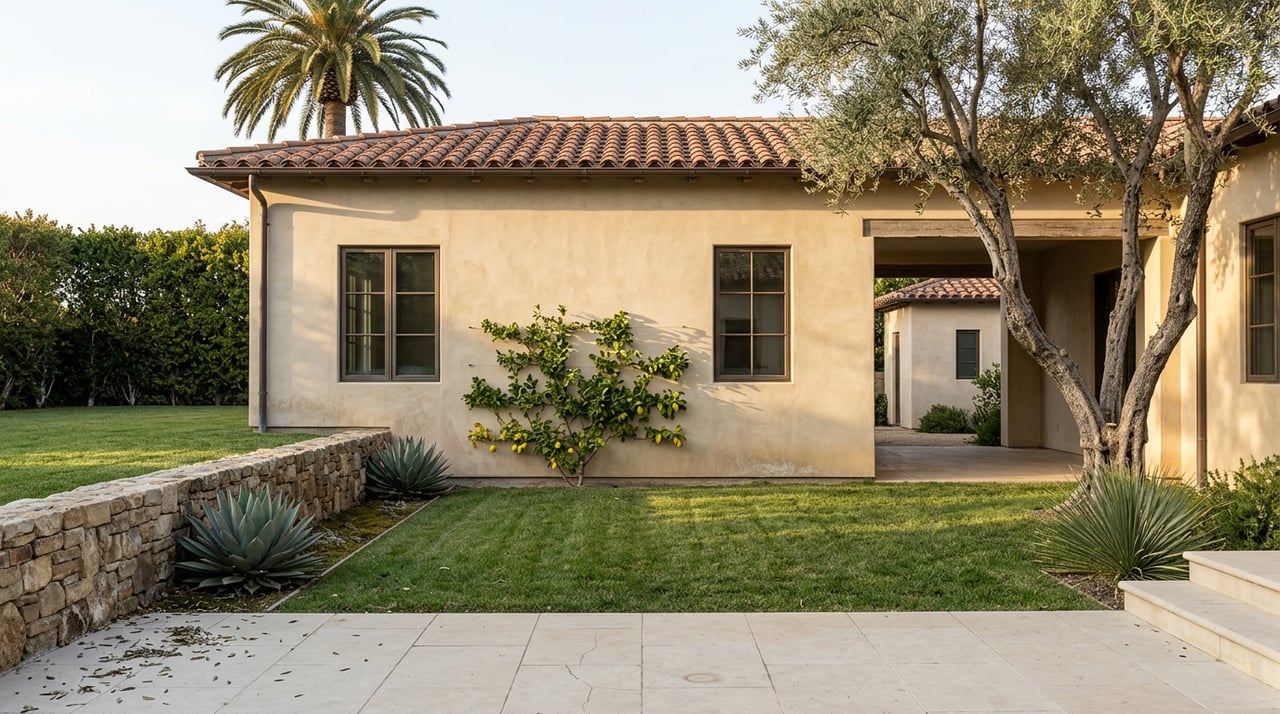
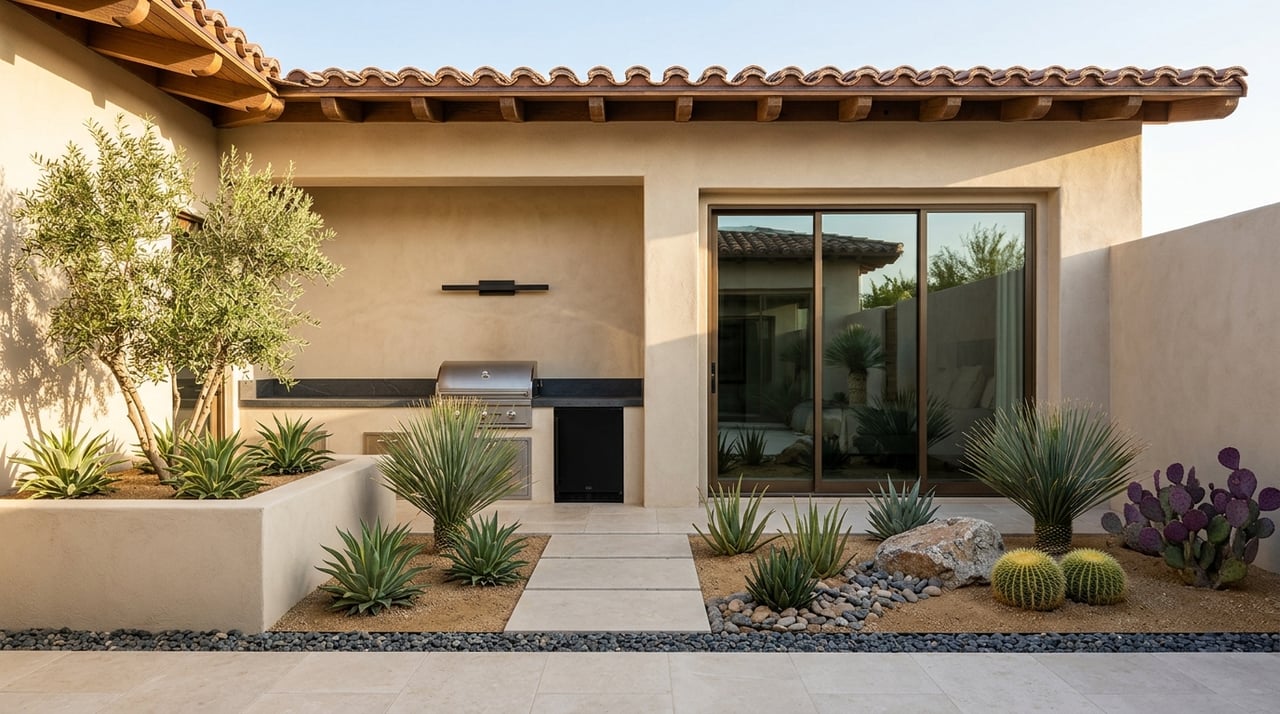
As described by Palm Springs Life’s overview of The Vintage Club, options range from attached Cottages to Terraces, Patio Homes, Desert Homes, and Custom Homes. Architectural styles across custom streets can include country French, Mediterranean, Moroccan, and contemporary design.
If you want lower-maintenance ownership, one product type may make more sense than another. If you want a signature view, more privacy, or a custom architectural statement, your search criteria may shift quickly.
Resale starts with clarity
Even if you are buying for lifestyle first, it is smart to think about resale on the front end. In a community like The Vintage, resale strength is often tied to more than finishes and location.
A home with clearly documented Protected Property status, understandable transfer rights, and an appealing location package may present more cleanly to future buyers. By contrast, ambiguity around membership status or a downgraded HCAM or unprotected structure could create friction later.
That does not mean a property with complexity cannot be a fit. It means you should price the complexity into your decision and make sure you fully understand what you are buying.
How to buy more confidently at The Vintage
If you are serious about owning at The Vintage, a disciplined diligence process matters. In this community, details that might be minor elsewhere can have a major effect on use, cost, timing, and resale.
A strong buyer review usually includes:
- Confirming the exact membership status tied to the parcel
- Reviewing current dues, assessments, transfer-related charges, and unpaid balances
- Understanding sponsorship and approval requirements
- Reading both the Club bylaws and the Master Association documents
- Reviewing guest, conduct, and daily-use rules
- Evaluating whether the home type and location match your lifestyle goals
- Coordinating closely with escrow and legal counsel on transfer language and timelines
If you want help evaluating a specific opportunity at The Vintage or comparing it with other luxury club options in the Coachella Valley, Desert Cities Home can help you approach the process with local insight, clear communication, and careful attention to the details that matter.
FAQs
What should buyers verify about membership at The Vintage Club?
- Buyers should verify the exact status attached to the property, including whether it is Protected Property, tied to an HCAM, or subject to another structure that affects club rights, dues, and transferability.
What do buyers need to know about transferring membership at The Vintage Club?
- Buyers should know that membership is generally not freely transferable and can only transfer as expressly allowed under the bylaws, with some situations involving continued dues or assessments.
What approval process should buyers expect at The Vintage Club?
- Buyers should expect a nomination and approval process that includes sponsorship by two Class A members, Membership Committee review, and final ratification by the Board or Executive Committee.
What community documents should buyers review before purchasing at The Vintage?
- Buyers should review both the Club bylaws and the Master Association documents because the ownership structure is split between club governance and common-property governance.
What amenities are available to owners at The Vintage Club?
- Official club information lists two golf courses, an 18,000-square-foot Spa & Wellness Center, nine tennis courts, eight pickleball courts, and multiple dining venues.
What privacy and guest rules should buyers understand at The Vintage Club?
- Buyers should understand that privacy and security rules are strict, guest access is controlled, social media sharing about other members is discouraged, and daily-use rules can be enforced through fines, suspension, or termination for cause.