Wondering if Palm Springs is more than a weekend escape? You’re not alone. Many visitors fall for the sunshine, architecture, and easy pace, then ask if living here full time or seasonally makes sense. In this guide, you’ll get a realistic look at daily life, neighborhoods, weather, costs, and tradeoffs so you can decide with confidence. Let’s dive in.
Palm Springs at a glance
Palm Springs is a compact desert city with a distinct identity shaped by mid‑century modern design, resort culture, and a vibrant arts scene. The population sits in the mid‑40,000s with a seasonal swell in winter as snowbirds arrive. You’ll find a diverse community that includes retirees, remote professionals, hospitality workers, and a notable LGBTQ+ presence.
The city’s pace shifts with the seasons. Winters feel lively and social, while summers are quieter as many part‑time residents head home. That seasonality touches everything from restaurant hours to how you plan your day.
Weather and seasons
Palm Springs has hot, dry summers and mild, sunny winters. Expect frequent summer days above 100°F from June through September. Winter highs typically land in the 60s to 70s.
Air conditioning is essential. Many residents exercise early or after sunset in summer, then enjoy long, comfortable days outdoors in winter. Sunshine is abundant, commonly described as more than 300 days a year, along with strong UV, occasional high winds, and some dust. Seasonal air quality can be affected by regional wildfire smoke and dust events.
Neighborhood vibes
Palm Springs is small, which makes exploring easy. Each area offers a different feel and lifestyle.
Downtown and Palm Canyon Drive
This is the walkable core with restaurants, bars, shops, and regular events like VillageFest. If you want energy, nightlife, and frequent dining options within a short stroll, this is your zone. Expect more short‑term rentals and hotel activity, plus street parking and weekend buzz.
Uptown Design District
Home to vintage and design showrooms, galleries, and stylish boutiques, Uptown attracts architecture lovers and collectors. It’s a creative corridor where Modernism Week energy runs high.
Historic residential districts
Old Las Palmas, the Movie Colony, Twin Palms, and Vista Las Palmas showcase iconic mid‑century modern homes, larger lots, and a quiet residential feel near downtown. Buyers come for architectural significance, privacy, and classic Palm Springs aesthetics. Prices reflect condition, history, and proximity.
Canyon and eastside pockets
Areas near Indian Canyons and Tahquitz Canyon feel closer to nature with quick trail access. These neighborhoods favor low‑density, single‑family living and appeal to hikers and outdoor‑minded buyers who still want city convenience.
Condos, golf, and gated communities
Throughout the city you’ll find resort‑style condos and golf communities with shared amenities like pools and clubhouses. Many owners are seasonal or second‑home residents. HOA rules and amenities vary, so it helps to compare fees, short‑term rental policies, and maintenance standards.
Peripheral and quieter areas
Beyond the tourist core are neighborhoods with more accessible price points and fewer visitors. You’ll see a mix of single‑family homes and multi‑unit properties, often favored by year‑round locals across a range of professions.
Culture, dining, and events
Palm Springs blends casual dining with elevated restaurants and a lively bar scene, especially downtown. You can spend a day at the Palm Springs Art Museum or the Palm Springs Air Museum, then wander galleries and patios in the evening. The calendar stays busy with Modernism Week and the Palm Springs International Film Festival, which bring visitors and energy to local businesses.
Tourism is part of daily life. Peak event weekends mean more crowds, higher demand for reservations, and a fun, buzzy atmosphere. Off‑season periods are quieter and easier for last‑minute plans.
Outdoor living and recreation
The desert sets the stage for hiking, biking, golf, tennis, and poolside downtime. The Palm Springs Aerial Tramway offers a quick escape to cooler mountain trails on Mt. San Jacinto. Within city limits, Indian Canyons and Tahquitz Canyon provide scenic hikes and seasonal waterfalls. Joshua Tree National Park is a reasonable day trip.
In summer you’ll shift your schedule to mornings and evenings. The payoff is exceptional winter weather tailor‑made for outdoor routines.
Getting around and access
Most residents rely on a car for everyday life. Trips across the city are short, though you may drive to neighboring cities for larger shopping needs. SunLine Transit Agency provides bus service across the Coachella Valley. When you want to fly, Palm Springs International Airport offers a mix of seasonal and year‑round routes that make second‑home living and guest visits convenient. I‑10 connects you to the greater Los Angeles area in roughly 2 to 2.5 hours depending on traffic.
Cost of living and utilities
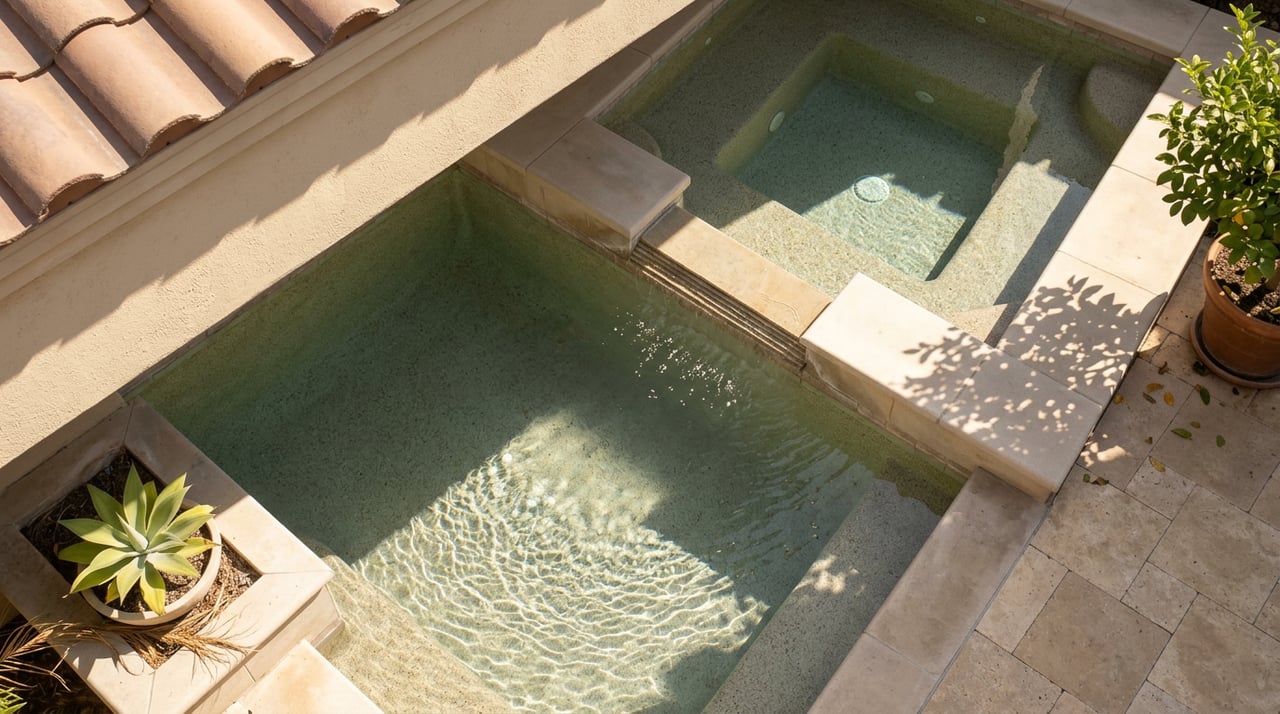
Housing is the largest expense for most residents, and many properties include pools. Property taxes follow California norms with local assessments. Electricity bills can climb in summer since AC runs often, so insulation and efficient systems matter. Solar is common and can help offset costs.
Water is a precious resource. The city and local agencies encourage conservation with turf removal programs and desert‑friendly landscaping. Your landscaping choices will likely differ from what you’re used to in wetter climates.
Housing types and market patterns
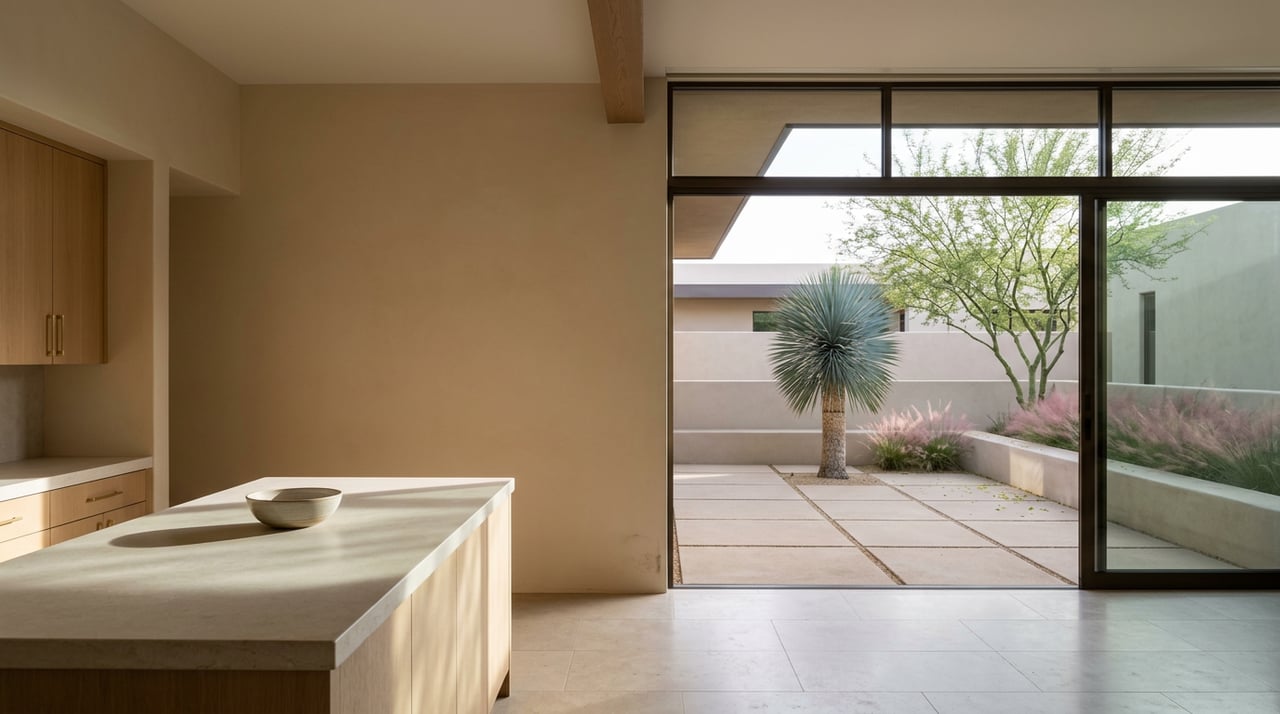
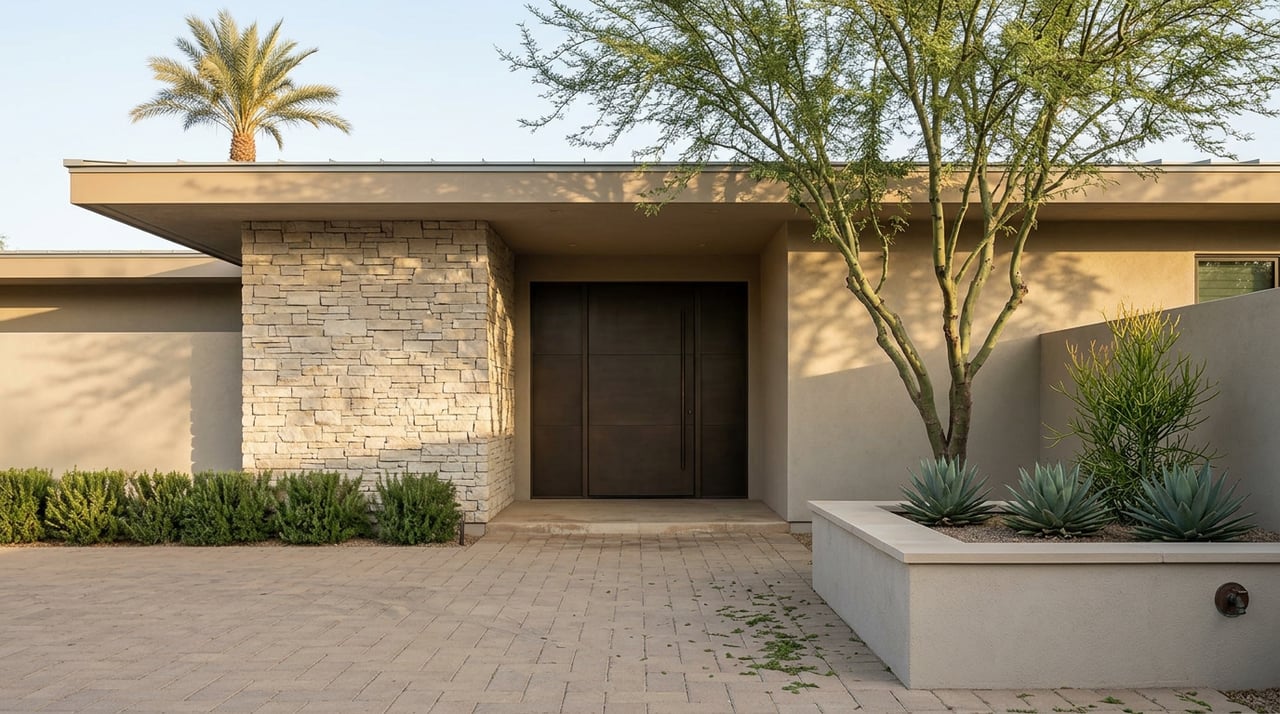
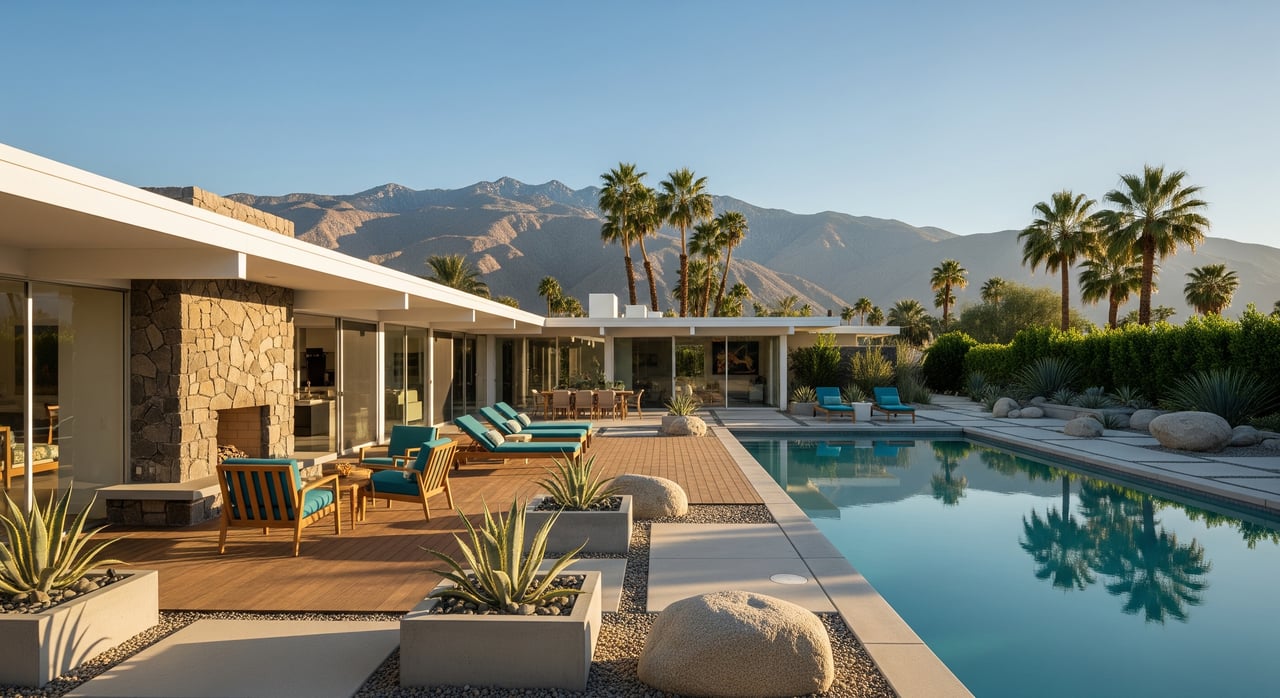
Palm Springs homes often feature single‑story layouts, indoor‑outdoor flow, and swimming pools. You’ll see mid‑century modern gems, post‑war ranch homes, gated communities, and resort condos.
Market activity follows the seasons. Winter brings more buyers and social energy. Spring and summer can see more listings as seasonal owners reassess. Prices vary based on location, architectural pedigree, condition, and proximity to downtown. If you love modernist design, be ready to consider system upgrades, pool maintenance, and period‑appropriate renovations to protect the home’s character.
Short‑term rentals basics
Short‑term rentals are part of the local economy and culture. The city uses permits and enforcement to manage STR activity, and rules evolve over time. If you’re considering a home for rental use, check the latest city ordinances and confirm HOA policies before you buy. Compliance, caps, and neighborhood restrictions can affect your plans.
Safety and tradeoffs
Like many tourist destinations, certain areas experience property crime such as vehicle break‑ins or theft. It’s wise to review recent police data and talk with locals about micro‑neighborhood patterns. Daily life feels easygoing for many residents, but awareness and smart routines still apply.
Here are common pros and cons to weigh:
- Pros: Reliable sunshine, outdoor access, distinct architecture and culture, active dining and events, convenient airport.
- Cons: Extreme summer heat that limits midday outdoor time, seasonal crowds and noise near events, reduced hours at some businesses in hot months, water conservation expectations.
Is Palm Springs right for you?
Use these prompts to clarify your fit:
- Do you prefer a lively winter season and a quieter summer rhythm?
- Are you comfortable planning around heat and budgeting for AC?
- Do you value mid‑century design, mountain views, and poolside living?
- Do you want walkability downtown or a peaceful canyon‑adjacent home base?
- Could a condo or golf community simplify maintenance for a part‑time lifestyle?
How Desert Cities Home can help
You deserve clear, local guidance tailored to how you want to live. Our boutique team knows the nuances of Palm Springs neighborhoods, from historic districts to modern condo communities. We help you compare micro‑locations, understand short‑term rental rules, evaluate utility and solar considerations, and connect with trusted pros for inspections and upgrades. If you need rental or property management referrals, we can point you in the right direction.
When you’re ready to tour homes or talk strategy, reach out to Desert Cities Home for a conversation that starts with your lifestyle and ends with a plan.
FAQs
What is Palm Springs weather like in summer and winter?
- Expect frequent summer days above 100°F with low humidity, then mild, sunny winters with daytime highs in the 60s to 70s.
How do short‑term rental rules work in Palm Springs?
- The city requires permits and enforces regulations that can change over time, and HOA policies may add further restrictions.
Is Palm Springs realistic for full‑time living?
- Yes, many residents live year‑round, but you should plan for summer heat, higher AC usage, and seasonal shifts in business hours and activity.
What are the main transportation options in Palm Springs?
- Most trips are by car, SunLine buses serve the valley, Palm Springs International Airport offers convenient flights, and I‑10 connects to the LA region.
Are mid‑century modern homes hard to maintain?
- They can be very livable, though you should budget for pool care, HVAC and roof updates, and thoughtful renovations that respect original design.
How busy does Palm Springs get during major events?
- Modernism Week and the film festival bring more visitors, which boosts energy along with wait times, reservations, and traffic near downtown.