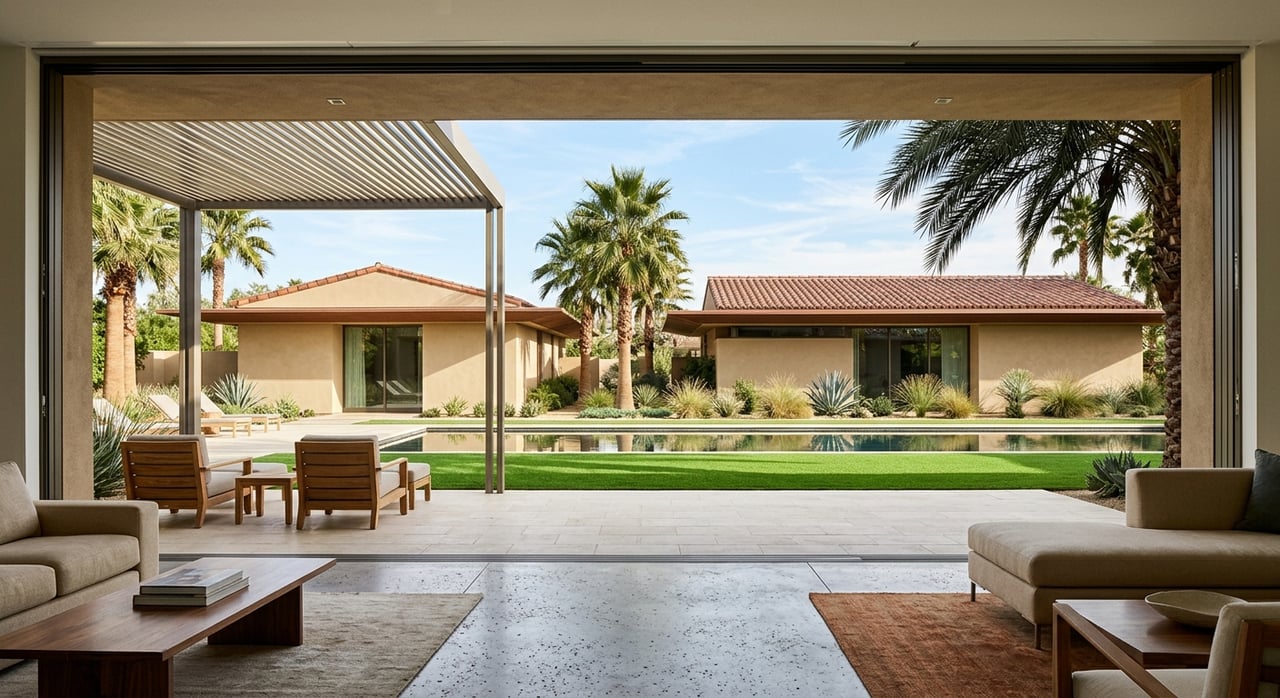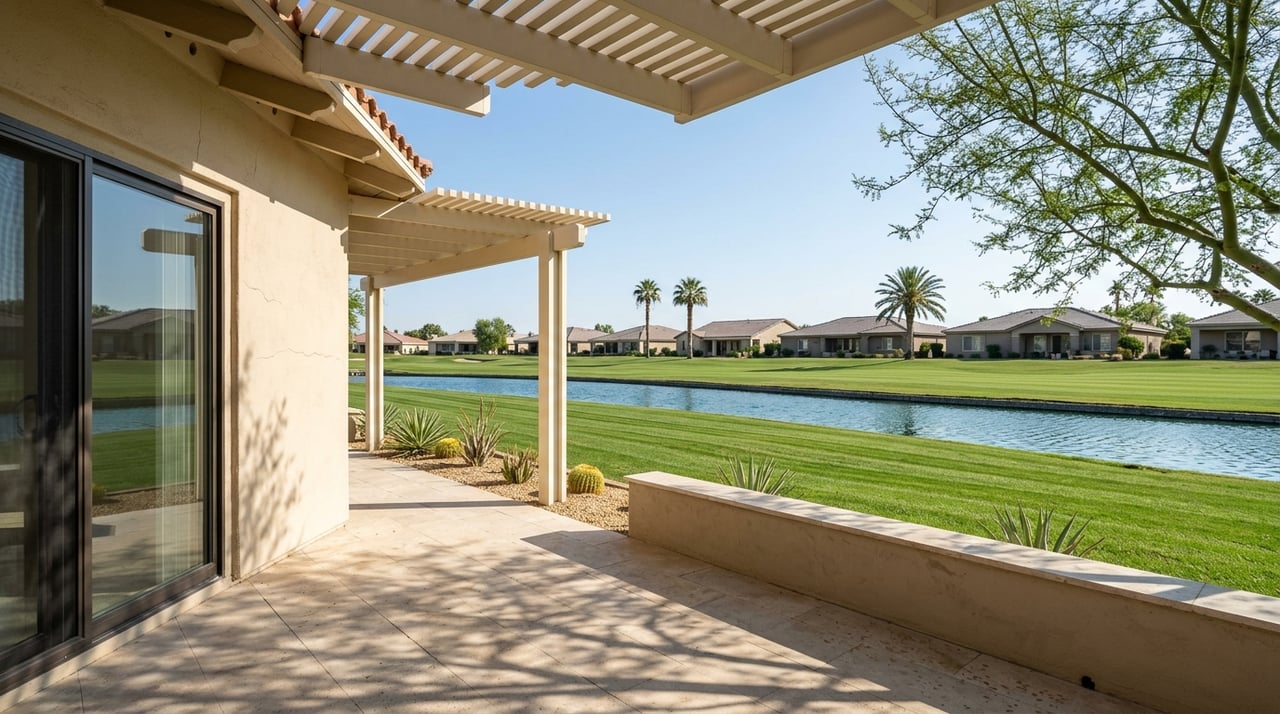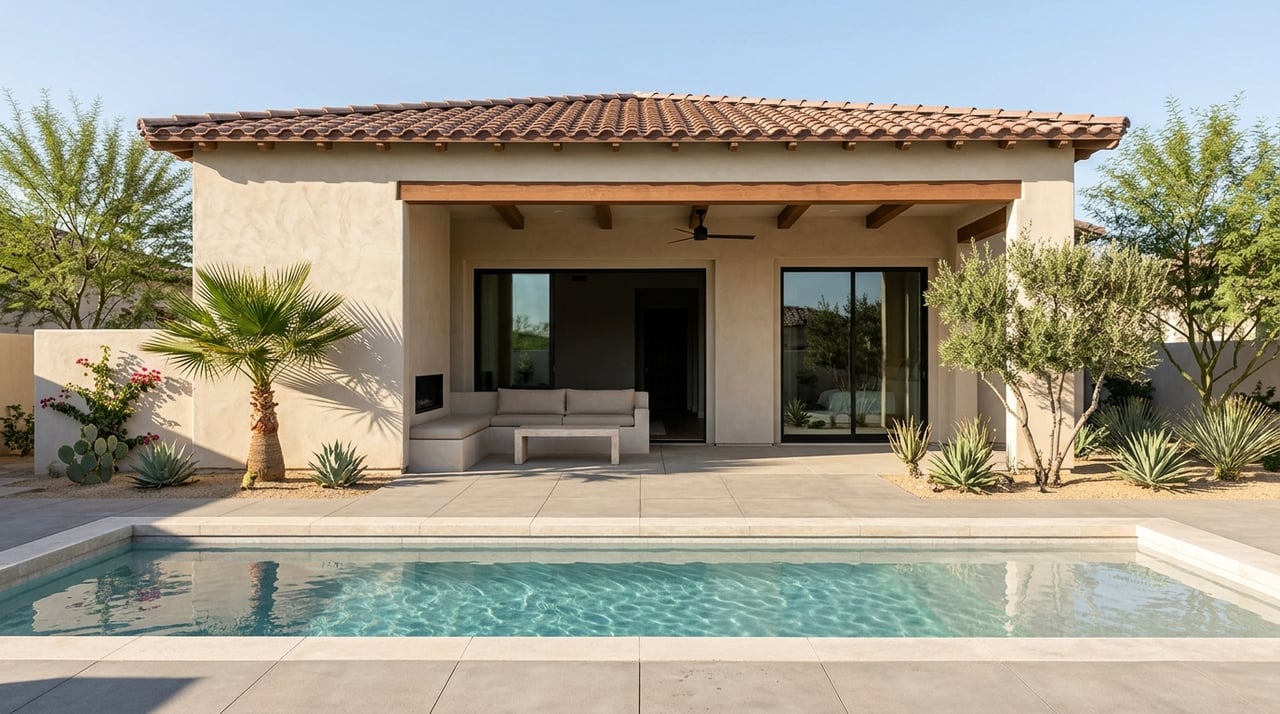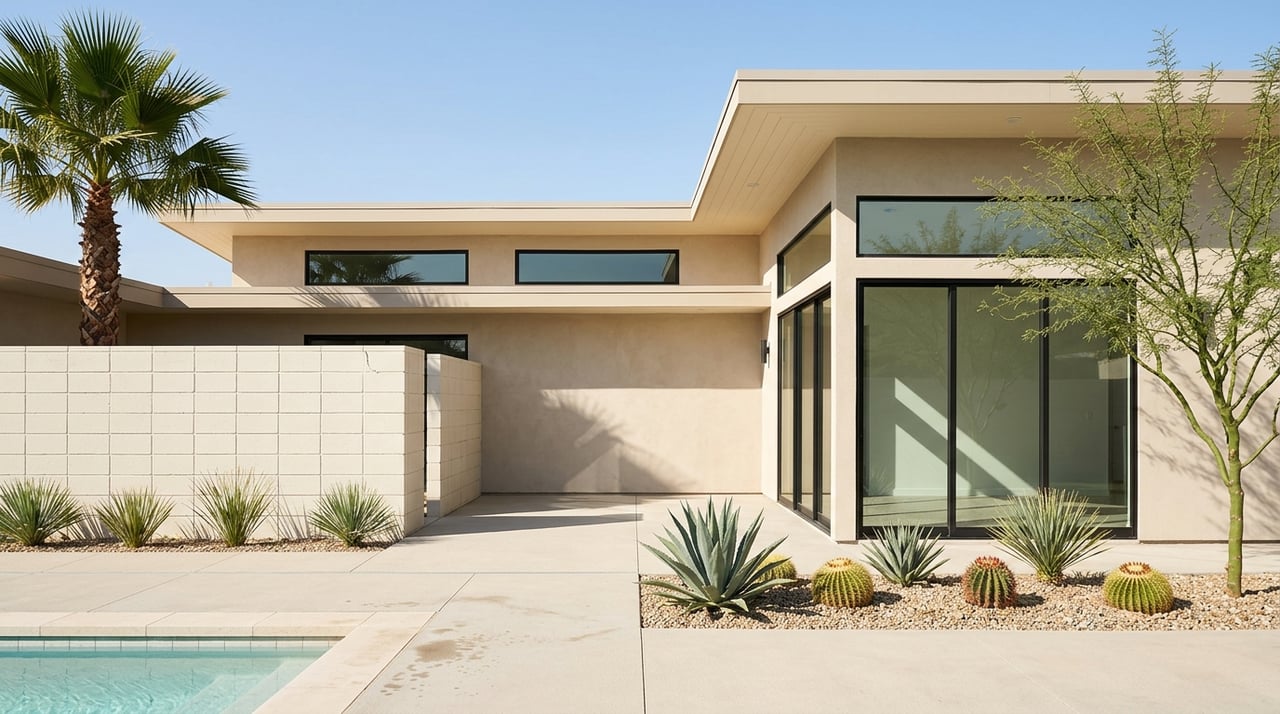
You can feel the difference the moment you pull up. In Palm Springs, one home might greet you with crisp rooflines, walls of glass, and classic desert style, while another offers newer systems, current energy features, and a more predictable ownership experience. If you are trying to decide between mid-century charm and a newer desert build, the right choice usually comes down to how you want to live, what kind of upkeep you can handle, and how much flexibility you want over time. Let’s dive in.
Why Palm Springs makes this choice unique
Palm Springs is closely tied to mid-century modern design. The city is widely known for Desert Modernism, with architecture that emphasizes clean lines, flat planes, large windows, and strong indoor-outdoor living.
That design history still shapes what buyers look for today. At the same time, Palm Springs is largely built out, which means brand-new housing opportunities are often limited to infill sites, hillside parcels, open-desert locations, or redevelopment projects rather than large new subdivisions.
Climate also matters here more than in many other markets. Palm Springs sees average highs above 103°F in June and above 108°F in both July and August, with very little annual rainfall, so comfort, efficiency, roof performance, and long-term systems planning all deserve extra attention.
What mid-century homes offer
Mid-century homes in Palm Springs often deliver something hard to recreate. They were designed with the desert in mind, often blending indoor and outdoor spaces in a way that feels natural, open, and visually striking.
For many buyers, that is the main draw. You are not just buying square footage. You are buying architectural identity, a connection to Palm Springs design culture, and in some cases a home with preservation significance.
Design character and desert fit
If you love original design, a mid-century home may feel more special from day one. Many of these homes reflect the architectural language that made Palm Springs famous, with a visual relationship to the surrounding landscape that newer homes may interpret but not fully duplicate.
That can be especially appealing if you are shopping for a second home or a property where experience matters as much as floor plan. The layout, glass, and indoor-outdoor flow often support the kind of seasonal desert living many buyers want.
Ownership can require a preservation mindset
The tradeoff is that character often comes with more responsibility. Mid-century homes may call for selective restoration, thoughtful upgrades, and periodic systems work that goes beyond cosmetic updates.
Preservation resources treat these homes as a specialized maintenance category. Windows, roofs, concrete, cladding, paint, wood details, landscaping, energy improvements, additions, and interiors may all require more care than a simple refresh would suggest.
Historic review may affect your plans
If a home is protected or located in a historic district, exterior changes can involve additional review. In Palm Springs, exterior changes to protected buildings are reviewed by the Historic Site Preservation Board, and properties within historic districts are subject to architectural review for exterior work.
That does not mean these homes are harder to enjoy. It does mean you should go in with a clear understanding of what changes may require approval, how long review may take, and how that fits your renovation goals.
Mills Act benefits and obligations
Some historic properties may qualify for Mills Act tax relief. In Palm Springs, Mills Act contracts use a 10-year rolling agreement and come with ongoing maintenance responsibilities, and those obligations transfer with the property.
That can be a meaningful benefit for the right buyer, but it is not a casual program. If you are considering a home with Mills Act status, it is smart to weigh both the potential tax savings and the long-term duty to restore, maintain, and protect the property.
What new desert builds offer
Newer homes usually appeal to buyers who want simplicity, efficiency, and fewer near-term surprises. In a climate as demanding as Palm Springs, current building standards can be a major advantage.
That does not mean every new home feels the same. It does mean newer construction is generally shaped by updated energy rules, newer materials, and a more code-forward approach to comfort and performance.
Energy standards support modern living
California’s 2025 Energy Code applies to permit applications on or after January 1, 2026. For newly constructed residential buildings, the code expands the use of heat pumps, encourages electric-readiness, and requires solar photovoltaic systems, while new single-family homes also need solar-ready and in some cases battery-storage-ready infrastructure.
For buyers, that often translates into a home built with modern energy expectations in mind. In a place where summer heat is intense, those features can matter for day-to-day comfort and long-term operating planning.
Roof and heat performance matter
Roof design is not just a style choice in the desert. California requires cool roofs for all new or replacement low-slope roofs, and roof products are rated for solar reflectance and thermal emittance.
That is worth noting when you compare an older roof assembly to a newer one. In Palm Springs heat, roof performance can play a practical role in how a home handles sun exposure.
New homes may mean fewer short-term projects
For many buyers, the biggest advantage of a newer desert build is predictability. Newer systems, current code compliance, and lower near-term maintenance risk can make ownership feel more straightforward, especially if you live out of town or want a lower-hassle second home.
The tradeoff is often emotional rather than mechanical. You may gain convenience and efficiency, but give up some of the architectural originality and historical character that define many classic Palm Springs homes.
How Palm Springs supply shapes your options
Because most of Palm Springs is already developed, new construction can be harder to find than buyers expect. Many opportunities are small infill projects, hillside sites, or redevelopment-oriented properties rather than broad neighborhood releases.
That limited supply changes the comparison. In Palm Springs, choosing new construction is often less about picking from dozens of similar homes and more about finding the right newer property when one becomes available.
The city’s planning process also adds context. A new home or addition can move forward without a longer planning review if it meets local standards for height, lot coverage, parking, and setbacks, but hillside parcels and lots along major thoroughfares may require architectural review.
Key questions to ask before you choose
The best choice is usually the one that fits your ownership style. Before you decide, it helps to compare both home types in a few practical categories.
Ask yourself how much project management you want
A mid-century home may reward you with authenticity and style, but it can also ask more from you over time. If you enjoy thoughtful restoration and are comfortable managing specialized repairs, that may be part of the appeal.
If you want a home that feels more turnkey, a newer build may be a better fit. That can be especially true for remote owners, seasonal buyers, or anyone who wants less hands-on maintenance in the first few years.
Think about renovation flexibility
If you plan to change exteriors, expand, or redesign visible features, historic status and district rules matter. Palm Springs historic districts are separate from HOAs, and all properties within a district boundary are subject to architectural review for new construction or exterior alterations.
That is not necessarily a negative. It simply means your design freedom may look different in a historic setting than in a newer property outside those controls.
Review HOA rules carefully
If the property is in a common interest development, HOA documents deserve close review. In California, HOAs make and enforce rules for certain communities, and governing documents can address maintenance, design, access, and other property-use issues.
You should also review budgets, reserve funding, and any planned assessments during your contract review period. Thin reserves can lead to future cost surprises, so this is an important part of due diligence whether you are buying a condo, a detached home in an association, or a newer planned community property.
Consider rental and second-home goals
If you are buying a second home and hope to use it as a vacation rental, local rules matter. In Palm Springs, rental homes require registration, and special events also require registration and public notice.
That means your decision should not be based on architecture alone. If rental flexibility is part of your plan, it is important to compare property type, location, and any applicable local or community rules early in the search.
Mid-century vs new build at a glance
| Factor | Mid-Century Home | New Desert Build |
|---|---|---|
| Main appeal | Design character and Palm Springs identity | Modern systems and code-forward features |
| Typical lifestyle fit | Buyers who value architecture and authenticity | Buyers who want convenience and predictability |
| Maintenance outlook | Often more specialized and ongoing | Often lower near-term maintenance risk |
| Renovation path | May involve historic or district review | Usually more straightforward, depending on site |
| Energy profile | Varies by updates and past improvements | Shaped by current California energy standards |
| Supply in Palm Springs | Established neighborhoods and iconic stock | Often limited infill, hillside, or redevelopment opportunities |
Which Palm Springs home is right for you
If you are drawn to design, history, and the feeling of owning something distinctly Palm Springs, a mid-century home may be the better match. These homes can offer a lifestyle and visual experience that newer construction may echo but rarely fully replace.
If your priority is efficiency, lower near-term maintenance, and a more straightforward ownership experience, a newer desert build may make more sense. That can be especially attractive if you want a lock-and-leave second home or a primary residence with fewer immediate projects.
In practice, many buyers are not choosing between good and bad options. They are choosing between two different versions of desert living, each with real advantages.
A local, property-by-property review can make the choice much easier. If you want help comparing architectural character, renovation limits, HOA documents, or newer construction opportunities in Palm Springs, connect with Desert Cities Home for tailored guidance.
FAQs
What makes mid-century homes in Palm Springs so popular?
- Mid-century homes are strongly associated with Palm Springs design, especially for their clean lines, large windows, and indoor-outdoor living that fit the desert environment.
What should buyers know about historic districts in Palm Springs?
- In Palm Springs historic districts, properties are subject to architectural review for new construction and exterior alterations, and protected buildings may face additional review by the Historic Site Preservation Board.
What are the benefits of buying a new build in Palm Springs?
- Newer homes often offer current energy features, newer systems, code-forward construction, and lower near-term maintenance risk compared with many older homes.
What does Mills Act status mean for a Palm Springs home?
- Mills Act status may reduce property taxes for qualifying historic properties, but it also comes with ongoing maintenance obligations that transfer with the property.
What HOA issues should buyers review in Palm Springs communities?
- Buyers should review HOA rules, maintenance responsibilities, budgets, reserve funding, and any planned assessments during the contract review period.
What should second-home buyers know about Palm Springs rental rules?
- Palm Springs requires registration for rental homes, and special events also require registration and public notice, so buyers should confirm how local rules affect their planned use of the property.