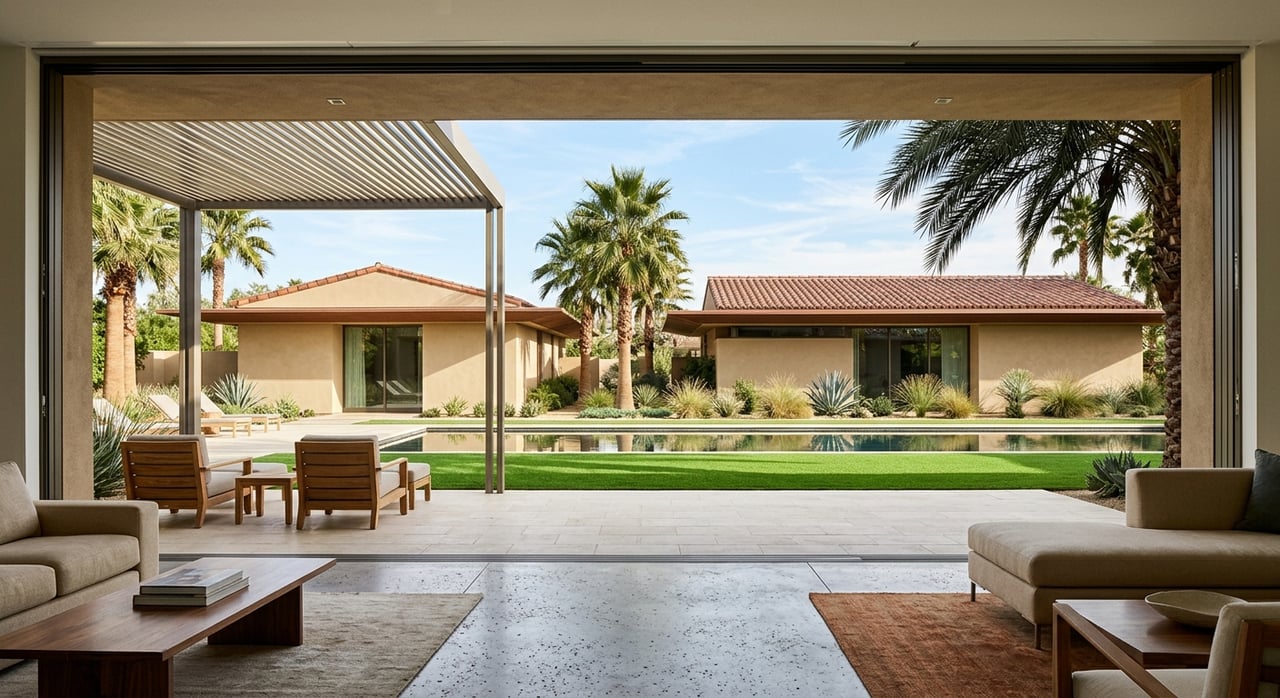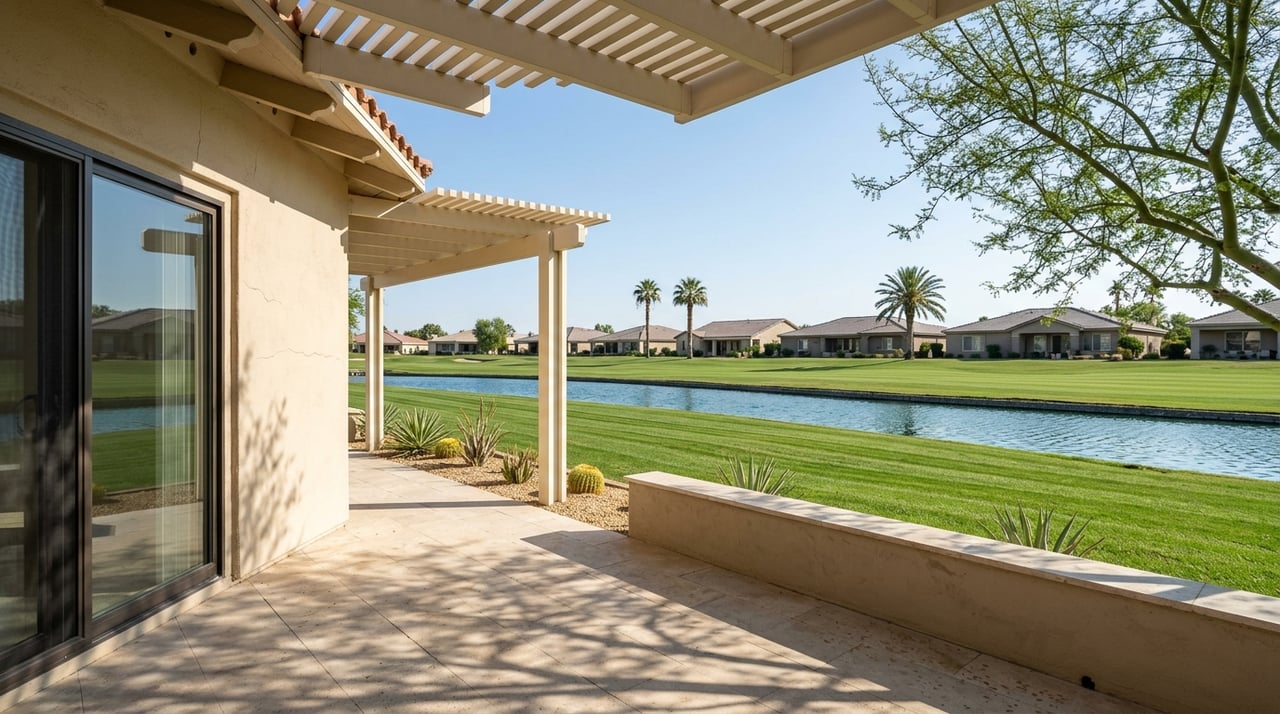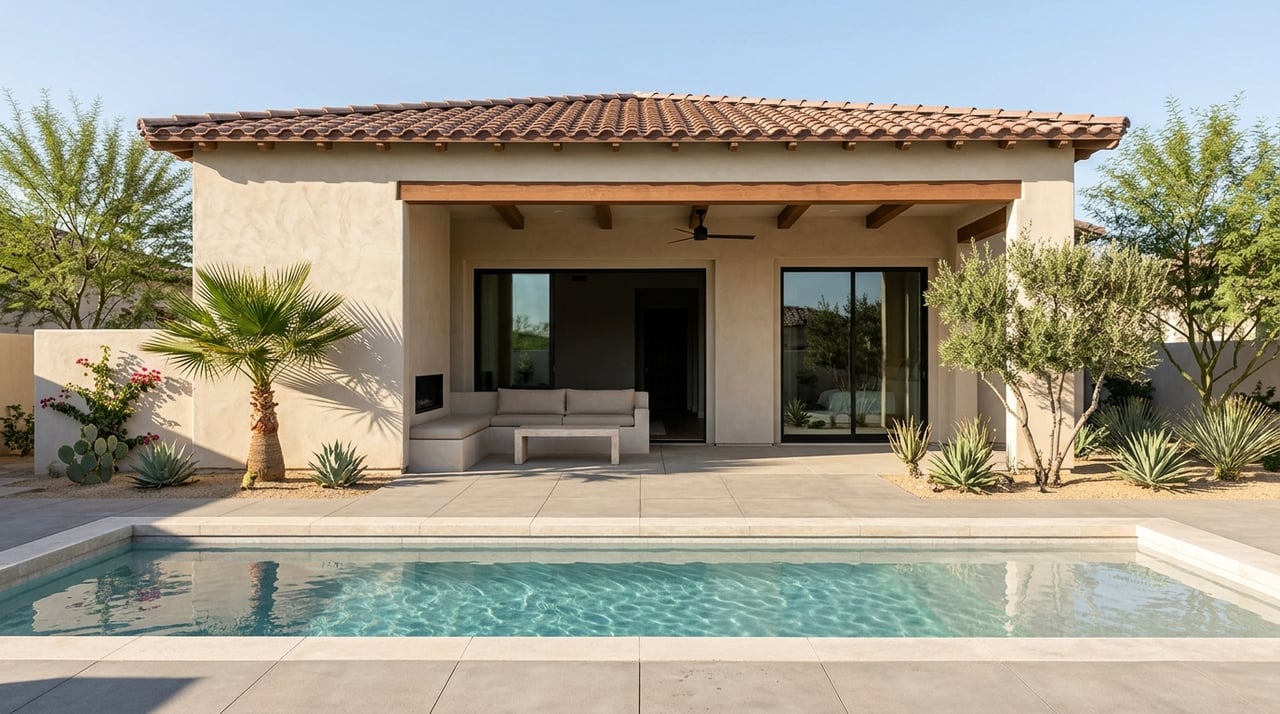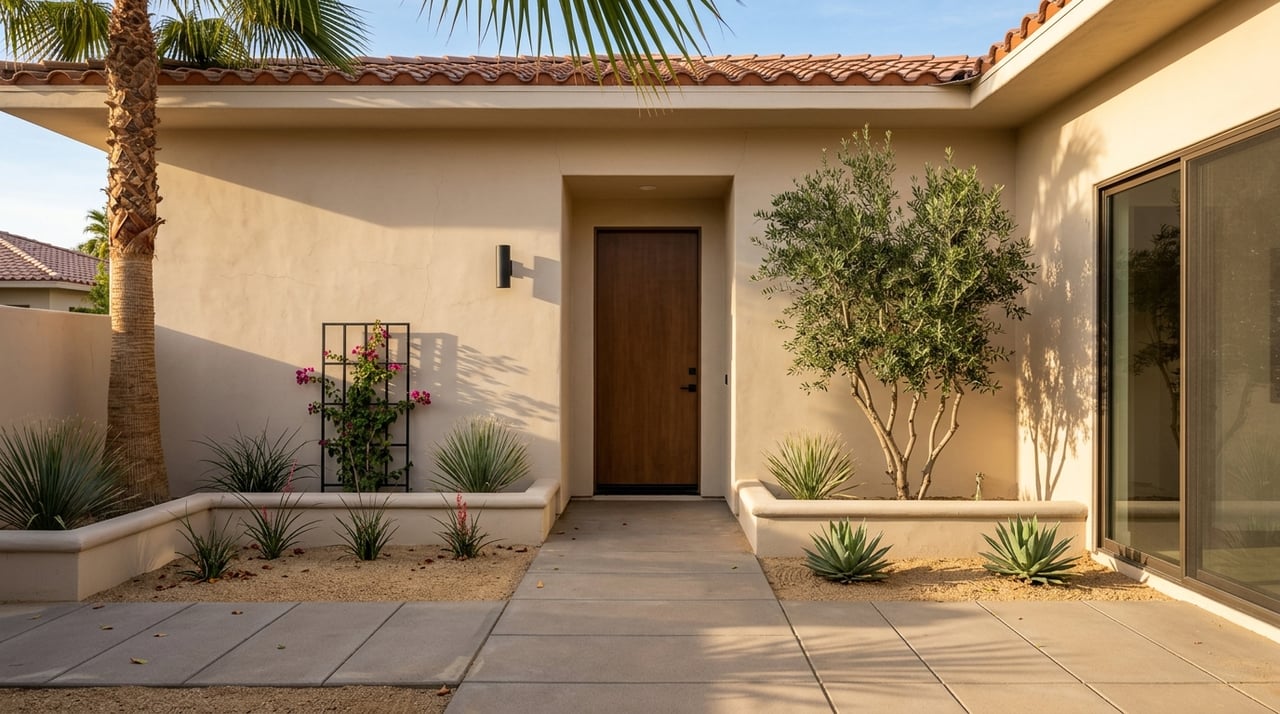
Thinking about a desert home you can enjoy for part of the year without taking on full-time upkeep? In Palm Desert, that idea is more than a trend. It fits how many owners already live. With about 32,000 seasonal residents, roughly 350 days of sunshine each year, and a strong network of HOA-managed communities, Palm Desert naturally supports lock-and-leave living. If you are comparing condos, villas, golf communities, or age-qualified options, this guide will help you understand what to look for before you buy. Let’s dive in.
Why Palm Desert fits seasonal living
Palm Desert is well suited for part-time ownership because the city already has a large seasonal resident base. The city reports about 32,000 seasonal residents and a median resident age of 55.1, which reflects a market with many homeowners who split time between Palm Desert and somewhere else.
The lifestyle also supports the lock-and-leave model. Palm Desert describes itself as the cultural and retail center of the desert communities, which gives seasonal owners easy access to shopping, dining, recreation, and services without the demands of a larger standalone property.
That matters when you want convenience. Instead of spending your time arranging landscapers, exterior repairs, or pool maintenance, you can focus on enjoying your home and the community around it.
What lock-and-leave really means
In Palm Desert, lock-and-leave is not a legal property type. It is a low-maintenance ownership style that usually works best in communities with HOA support, shared amenities, and clear maintenance responsibilities.
In many cases, the HOA manages common areas, gates, pools, landscaping, and some exterior components. You, as the owner, usually handle the interior of the home and any responsibilities that fall outside the HOA’s scope.
California law helps explain this split. Unless the governing documents say otherwise, the owner is responsible for maintaining exclusive-use common areas tied to the unit, while the association is responsible for repairing and replacing them. That is why reviewing the community’s governing documents is so important before you commit.
Communities that often fit the model
Palm Desert offers several community styles that can work well for seasonal owners. The best fit depends on how much maintenance help you want, what amenities you will actually use, and whether you prefer a condo, detached home, or age-qualified setting.
Condo and villa communities
Condominium and villa-style communities often provide the clearest version of lock-and-leave living. In these setups, the HOA may take on landscaping, common-area maintenance, and parts of the exterior, which can reduce the amount of year-round oversight you need.
Palm Desert Tennis Club is a good example. Its HOA policies say the association is responsible for landscaping and common-area plantings, and it carries insurance on common property, including exteriors and roofs of individual condos. The same rules also note that owners remain responsible for interior damage, liability, and patio areas inside the front walls.
Corsican Villas shows another feature seasonal buyers should value: digital access. Its homeowner portal allows residents to pay bills, submit service requests, send architectural applications, reserve common areas, and communicate with management or the board. If you live elsewhere part of the year, tools like that can make ownership much easier.
Golf and country club communities
Golf-course and country-club communities are another popular option for seasonal owners. These communities often combine gated access, shared amenities, and on-site staffing in a way that supports part-time use.
Palm Valley HOA describes 1,274 homes, 46 pools, desert and floral landscaping, and a resident portal for maintenance requests, bill pay, architectural requests, and amenity booking. It also notes that Frontier FiOS is included in HOA dues. For a remote owner, those built-in systems can add real day-to-day convenience.
Palm Desert Resorter offers another seasonal-friendly setup. Its HOA describes a gated community of 960 homes with an 18-hole golf course, 20 pools and spas, a large tennis facility, a clubhouse, 24-hour guard service, and full-time staff on property. That kind of centralized support can reduce the stress of owning from afar.
Marrakesh Country Club highlights a different structure. It is a private gated golf club community with 364 homes on 155 acres, plus 14 pools, spas, pavilions, and a renovated clubhouse. Its resident membership includes HOA, social, and golf, which shows how some communities combine ownership and club access more directly.
Age-qualified options
If you are looking for a 55+ community, Palm Desert has those as well. These can still offer strong lock-and-leave appeal, but you need to confirm the age requirements fit your household and long-term plans.
Portola Country Club is a gated 55+ community with 500 manufactured homes, three pools, an 18-hole par-3 golf course, and unlimited golf privileges included with ownership. Sun City Palm Desert is another 55+ option, with a gated and patrolled layout, three clubhouses, five heated pools, 20 pickleball and tennis courts, and 24-hour roving community patrol.
What the HOA may handle
A big part of lock-and-leave living is understanding what the HOA actually does for you. That answer varies by community, so you should never assume two Palm Desert neighborhoods operate the same way.
In many communities, the HOA may maintain landscaping, shared amenities, gates, patrols, pools, and certain exterior elements. In Palm Desert Tennis Club, for example, the HOA handles landscaping and common areas, maintains garage doors, and covers common-property insurance.
But convenience has limits. The same Palm Desert Tennis Club policies make clear that owners are responsible for interior damage and liability. The association also does not carry earthquake or flood insurance, which is a useful reminder that HOA coverage is not always comprehensive.
What still falls on you
Even in a low-maintenance community, ownership is never fully hands-off. You still need to know which items remain your responsibility so there are no surprises after closing.
Depending on the community documents, you may be responsible for interior systems, interior repairs, liability coverage, exclusive-use patio areas, and some upkeep tied directly to your unit. California Civil Code makes that owner-versus-association split especially important in condo-style communities.
For seasonal owners, this is where due diligence matters most. If your goal is to arrive, enjoy the season, and leave with confidence, you need a realistic picture of what care your home will still need while you are away.
What dues really cover
Monthly dues are one of the biggest parts of the lock-and-leave equation. They often pay for convenience, but the level of convenience can vary a lot from one community to another.
Some dues cover more than expected. Palm Valley says Frontier FiOS is included in HOA dues, and Portola says its monthly assessment includes unlimited golf privileges. Those details can make one community feel more turnkey than another.
At the same time, some amenities may sit outside the HOA. Palm Valley Country Club is a separate business entity from the HOA, which means HOA ownership and club membership are not automatically the same. If golf, dining, or social access matters to you, confirm whether it is included, optional, or billed separately.
Look beyond the HOA payment
A smart seasonal buyer looks at ownership costs in layers. Your monthly carrying cost is not just HOA dues.
Riverside County materials explain that property taxes include the constitutional 1% levy, plus locally voted special taxes and city or district direct assessments. They also note that assessed value generally rises no more than 2% annually until a sale or new construction resets it.
You should also account for insurance, utilities, and any optional club or golf memberships. That full picture helps you compare communities based on actual ownership cost, not just the list price.
Reserve funding and special assessments matter
If you only remember one due-diligence point, make it this: the convenience story only works when the HOA is financially healthy. A beautiful front gate, tidy landscaping, and busy clubhouse do not tell you enough on their own.
California law requires associations to distribute an annual budget report 30 to 90 days before the end of the fiscal year. That report must include a pro forma operating budget, a reserve summary, and a reserve funding plan. The reserve study must be visually inspected at least once every three years.
Those documents help you understand whether current dues are keeping pace with future repair needs. State law also allows emergency-related assessment increases for unforeseen repairs or hazardous conditions, so current dues may not tell the whole story if major work is coming.
Rental rules can change the math
If you plan to use your Palm Desert home part of the year and rent it out while you are away, check the rules early. Rental restrictions are community-specific, and they can affect whether a property matches your goals.
Palm Desert Tennis Club offers a useful example. Its rules require rentals of at least 30 nights, with a 7-night exception only for immediate family. That is not a citywide standard, but it shows why you should verify lease minimums, guest rules, and any rental procedures before buying.
For some buyers, rental flexibility is central to the decision. For others, a stricter policy may be a plus because it supports a quieter ownership experience. The key is making sure the rules fit how you plan to use the home.
How to choose the right fit
Not every lock-and-leave home is the same. The right match depends on your budget, how often you will visit, and which services and amenities you will genuinely use.
As you compare Palm Desert communities, focus on a few core questions:
- What does the HOA maintain, repair, and insure?
- What remains your responsibility inside or outside the home?
- Are golf, dining, or social amenities included with ownership?
- Are there separate memberships or fees?
- Is the community age-restricted?
- Are there rental minimums, guest limits, or use restrictions?
- How strong are the reserves, and are special assessments planned or possible?
- Does the community offer digital tools or on-site staff that make remote ownership easier?
A lower HOA fee is not always the better value. Sometimes paying more each month gives you a simpler ownership experience, more predictable upkeep, and a better fit for seasonal living.
Why local guidance helps
Palm Desert has no shortage of communities that look appealing online. The real difference often comes down to the details you only catch when you compare documents, amenity structures, maintenance obligations, and total carrying costs side by side.
That is where local guidance matters. A buyer focused on golf may prefer a community where privileges are bundled into ownership, while another buyer may want a lower-fee HOA with optional club access. A remote owner may care more about staff presence, patrols, and digital management tools than about a long amenity list.
If you are exploring lock-and-leave living in Palm Desert, Desert Cities Home can help you narrow the options, compare community structures, and find a seasonal home that fits the way you actually plan to live.
FAQs
What does lock-and-leave living mean in Palm Desert?
- In Palm Desert, lock-and-leave usually means a low-maintenance ownership style where the HOA handles many shared areas and some exterior tasks, while you remain responsible for the interior and any owner-assigned items in the governing documents.
What do Palm Desert HOA dues usually cover?
- HOA dues in Palm Desert may cover items like landscaping, pools, gates, patrols, common-area maintenance, and sometimes added services such as internet or golf privileges, but coverage varies by community.
Are golf and club memberships included in every Palm Desert community?
- No. Some communities include golf or social access with ownership, while others keep the club separate from the HOA and charge separate membership fees.
Are there 55+ lock-and-leave communities in Palm Desert?
- Yes. Palm Desert includes 55+ options such as Portola Country Club and Sun City Palm Desert, but you should confirm age rules and occupancy requirements before buying.
Can you rent out a seasonal home in a Palm Desert HOA community?
- Sometimes, but rental rules differ by community. Some associations have minimum lease terms or guest restrictions, so you should review those policies before closing.
What documents should buyers review before buying in a Palm Desert HOA?
- Buyers should review the governing documents, annual budget report, reserve summary, reserve funding plan, insurance details, maintenance responsibilities, and any known or possible special assessments.